You must accept third-party cookies (Google and Facebook) for this tool to work.
User Login
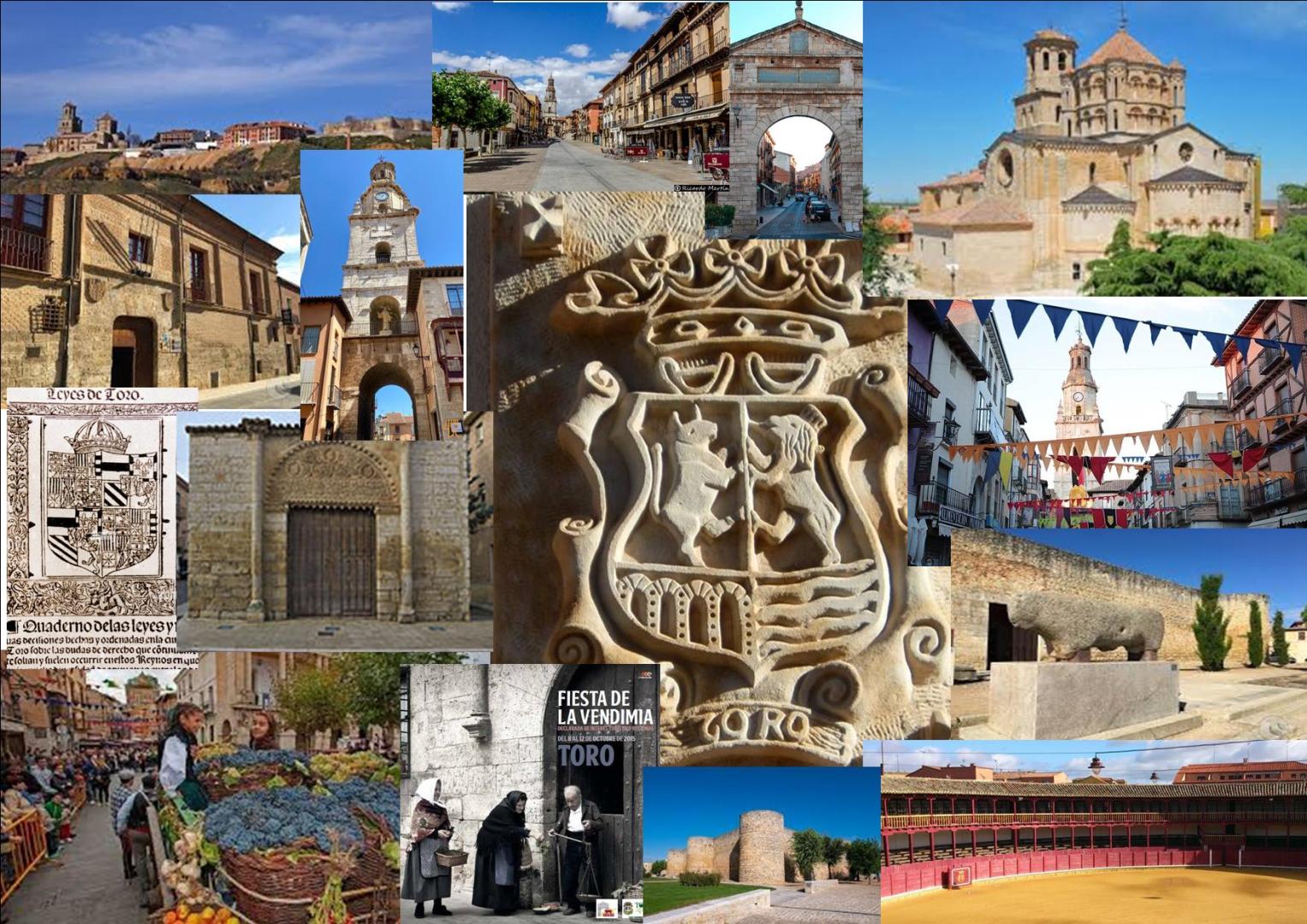
The name of Toro entered the scene of our history a thousand years ago associated with the strategic role it then played as a stronghold on the border of the Asturias kingdom against the Muslim territory. None of the many important events of its dense subsequent historical trajectory brought the city a fame greater than that given to the vineyards, its main source of wealth.
For the author of the Rhymed Chronicle of Alfonso the Eleventh, "Toro is the source of wine." From behind came the prestige of the red wine of this land, in which Alfonso IX granted plantations and exports in the year 1225 to various monasteries of the Peninsula, without our wines finding serious competition with those of La Rioja until the 18th century.
The prudent Queen María de Molina already regulated the sale of wine in Seville with tariffs, ordering "that no tavern or tavern owner or anyone else who sold wine in wineskins sell wine from the mountains or Aljarafe or any other wine other than white Castilian or "bermeio de Toro".
Similarly, in 1352, Peter I "the Cruel", punished those who committed fraud for selling another wine other than Toro's vermeio, "creating art and deception, not wanting to have the wine and the skins taken from them." et the beasts".
Healthy and medicinal effects were recognized. From Seville, mid-seventeenth century. XVI, Dr. Monardes records that "the best vermilion wine here is that of Toro", and the famous doctor of Charles V, Francisco de Villalobos, prescribed it as medicine. Before that, the Archpriest of Hita had praised his bravery "do han vino de Toro non Beben de baladí" in the tragicomedy of Rojas, the old Celestina.
Such a celebrated red is the one "that gives good juice to the fish" in the words of Quevedo, or the phrase "in rich glasses of gold, aloques de Toro" or the ruby that Góngora unleashed in gold to cure melancholy and the one that Lope de Vega searched the banks of the Duero in "the heavy cluster / with green threads tied to the vine." With ample reason it has been said that Toro is "the king of wines".
The colonization of America increased the demand for Toresan wines, haloed with prestige that, unlike other weaker ones that could "age", were aged for several years and resisted the passage of the Atlantic without difficulties. For this reason, Christopher Columbus named one of the caravels "the Pinta", as it was called a measure of drink at the time.
At the beginning of the 16th century, due to the fame of Toro wine, the vine-growing areas expanded at the expense of the mountains, increasing its price by almost 360%. The splendid architectural developments and the intense creative activity of the artistic workshops then based in this city are plastic testimonies of that expansion and the wealth it generated, which today densify and exalt the Historical-Artistic Complex of the city of Toro.